Chronic Stress and Emotional Overwhelm
How Kinesiology Quiets the Nervous System
Deborah J Tyson — Kinesiologist & Speaker
The Difference Between Stress and Chronic Stress
Acute stress — the kind that arises in response to a specific challenge or threat — is not only normal but essential. It sharpens thinking, mobilises energy, and enables peak performance in demanding situations. The body has a sophisticated and highly effective system for responding to acute stress, and under healthy conditions, it recovers fully once the stressor has passed.
Chronic stress is categorically different. It is what happens when the stress response is activated continuously — not by single acute events but by the relentless accumulation of ongoing demands, pressures, responsibilities, and anxieties that characterises many modern lives. The nervous system never returns to full rest. The cortisol tap is never fully turned off. The body remains in a low-grade state of alert indefinitely.
The physiological consequences of this sustained activation are profound and well-documented: impaired immune function, increased inflammation, cardiovascular stress, disrupted sleep architecture, hormonal dysregulation, digestive problems, and progressive cognitive decline. Chronic stress is not merely uncomfortable. It is a serious health risk.
Emotional Overwhelm: When the Container Overflows
Alongside the physiological effects, chronic stress creates a specific psychological state that many women describe as emotional overwhelm: a sense that there is simply too much, that the demands on your capacity consistently exceed your capacity to meet them, and that you are perpetually behind, perpetually insufficient, perpetually one thing away from losing your grip.
Emotional overwhelm is not a sign of weakness. It is a sign that your emotional processing and regulatory systems have been operating beyond their sustainable capacity for an extended period. The container has been taking in more than it can release.
Emotional overwhelm is not a sign of weakness. It is a sign that your emotional processing and regulatory systems have been operating beyond their sustainable capacity for an extended period.
The body responds to this state by tightening. Literally. Shoulders rise. Jaw clamps. Breathing shallows. Gut contracts. These physical responses are part of the stress architecture — the body preparing to deal with threat. When they become chronic, they create a physical holding pattern that compounds the emotional state: the physical tension makes it harder to access the calm, clear thinking needed to process and resolve the emotional load. The emotional load maintains the physical tension. A self-reinforcing cycle develops.
Why Talking About it isn’t Enough
There is a widespread and understandable impulse, when experiencing emotional overwhelm, to find someone to talk to. Sharing the weight with a trusted person — a therapist, a coach, a friend — is genuinely valuable. It reduces isolation, provides perspective, and can help organise the chaos of an overwhelmed mind.
But talking, by itself, rarely resolves chronic stress and emotional overwhelm. And the reason is physiological: the stress and the emotional charge are stored in the body, in the nervous system, in the physical holding patterns described above. They are not primarily cognitive phenomena. They cannot be fully resolved through cognitive means alone.
Research in trauma and somatic psychology — particularly the work of Bessel van der Kolk (“The Body Keeps the Score”), Peter Levine (Somatic Experiencing), and Stephen Porges (Polyvagal Theory) — has established clearly that the body is the primary locus of stored stress. The nervous system holds the memory of unresolved stress experiences in its regulatory patterns, its muscle tension, its hormonal rhythms. Healing requires direct engagement with the body, not just the mind.
The Kinesiology Approach to Chronic Stress
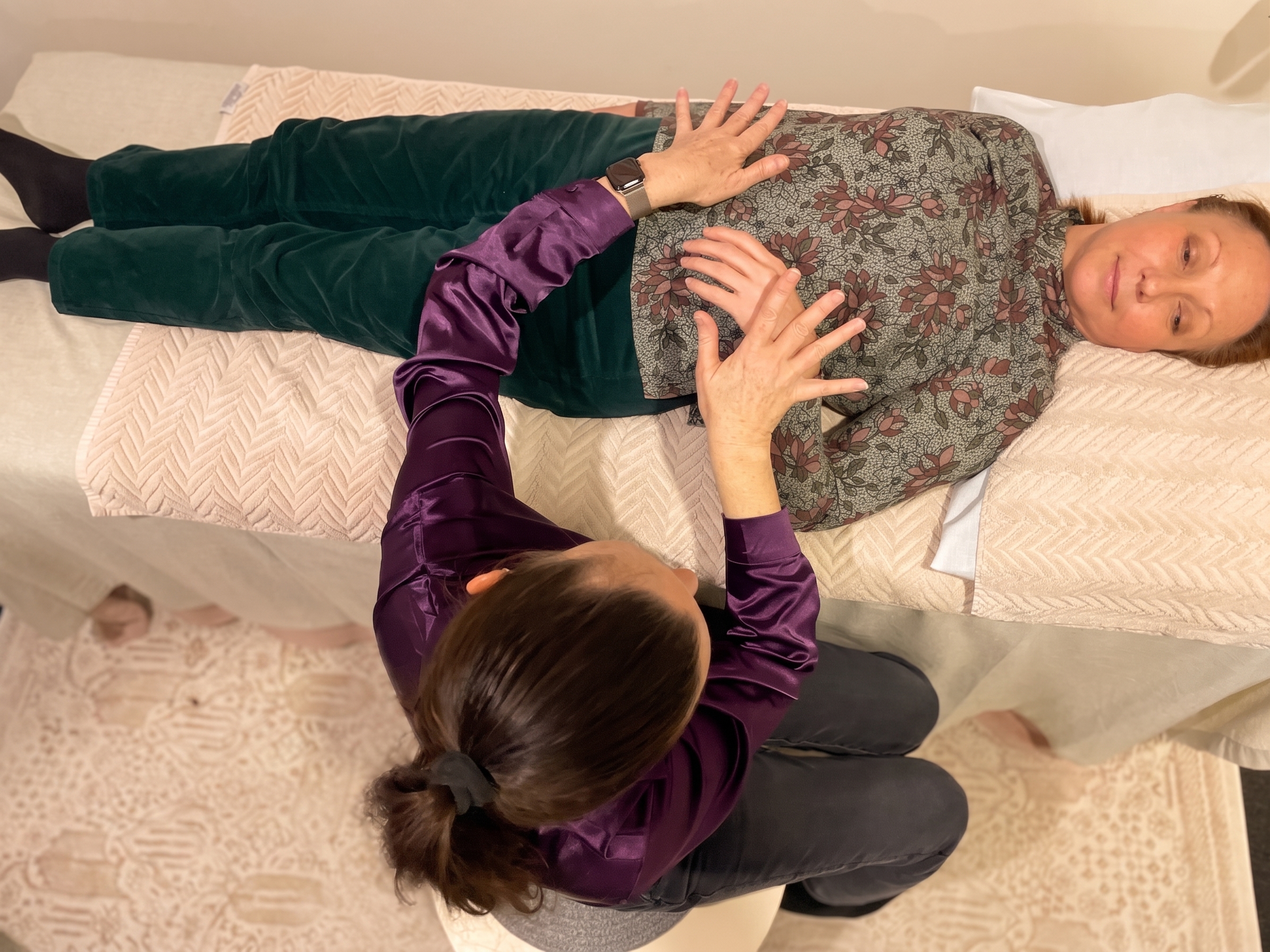
Kinesiology offers a direct and effective route into the body’s stress architecture. Through muscle testing, a kinesiologist can identify precisely which aspects of a client’s stress load are most dominant at a given point, which physiological systems are most affected, and which specific interventions the body is indicating it needs.
The process is not generic. It is built entirely around the individual in the room, their body, their history, and what their nervous system is ready to release. This is one of kinesiology’s most distinctive features — it is not a protocol applied uniformly but a conversation with the body’s own intelligence.
Interventions may include: acupressure on meridian points to discharge held emotional energy; sound therapy to shift nervous system states; vibrational flower remedies; NLP techniques to reframe the underlying beliefs driving the stress; theta healing to address patterns at the subconscious level; and breathing and grounding techniques to establish a felt sense of safety. Together, these create conditions in which the body can release what it has been holding and begin to restore its natural regulatory capacity.
Signs that Your Body is Carrying Too Much
Women experiencing chronic stress and emotional overwhelm often describe a characteristic cluster of signs — many of which they have normalised to the point of no longer registering them as problems.
These include: waking at 2 or 3am with a busy mind; a constant low-level sense of dread or unease; crying unexpectedly and not knowing why; an inability to feel genuinely happy even when things are objectively going well; snapping at people you love over small things; feeling a physical heaviness in the body; a sense of being trapped or without options; and a pervasive flatness — life going through the motions without real presence or joy.
Your body is not failing you. It is communicating clearly. The question is whether you are ready to listen and to respond.
If you recognise yourself in this description, your body is not failing you. It is communicating clearly. The question is whether you are ready to listen and to respond.
Creating Genuine Relief
The relief that kinesiology offers for chronic stress and emotional overwhelm is not the surface relief of distraction or temporary relaxation. It is the relief of actual release — of the physical and emotional charge that has been building in the body being discharged, the nervous system downregulating, the held tension genuinely softening.
Many clients describe it as a lightness they hadn’t expected — a sense of having put down a weight they had been carrying so long they had stopped noticing it. It is not instantaneous for everyone, but even in early sessions, most people notice a tangible shift.
Over the course of treatment, the change is more fundamental: higher stress tolerance, faster recovery from difficult events, and greater capacity to feel genuinely well even in the midst of a demanding life. Not because the demands disappear, but because your body is no longer carrying the accumulated residue of all the previous demands as well.
What Kinesiology Addresses in Chronic Stress Recovery
Nervous system dysregulation · Stored emotional stress · Hormonal and adrenal imbalance · Limiting beliefs driving overperformance · Physical tension patterns · Sleep and energy disruption · Loss of identity and purpose · The anxiety that won’t switch off
Deborah J Tyson — Kinesiologist, Speaker & Founder of Blisspot
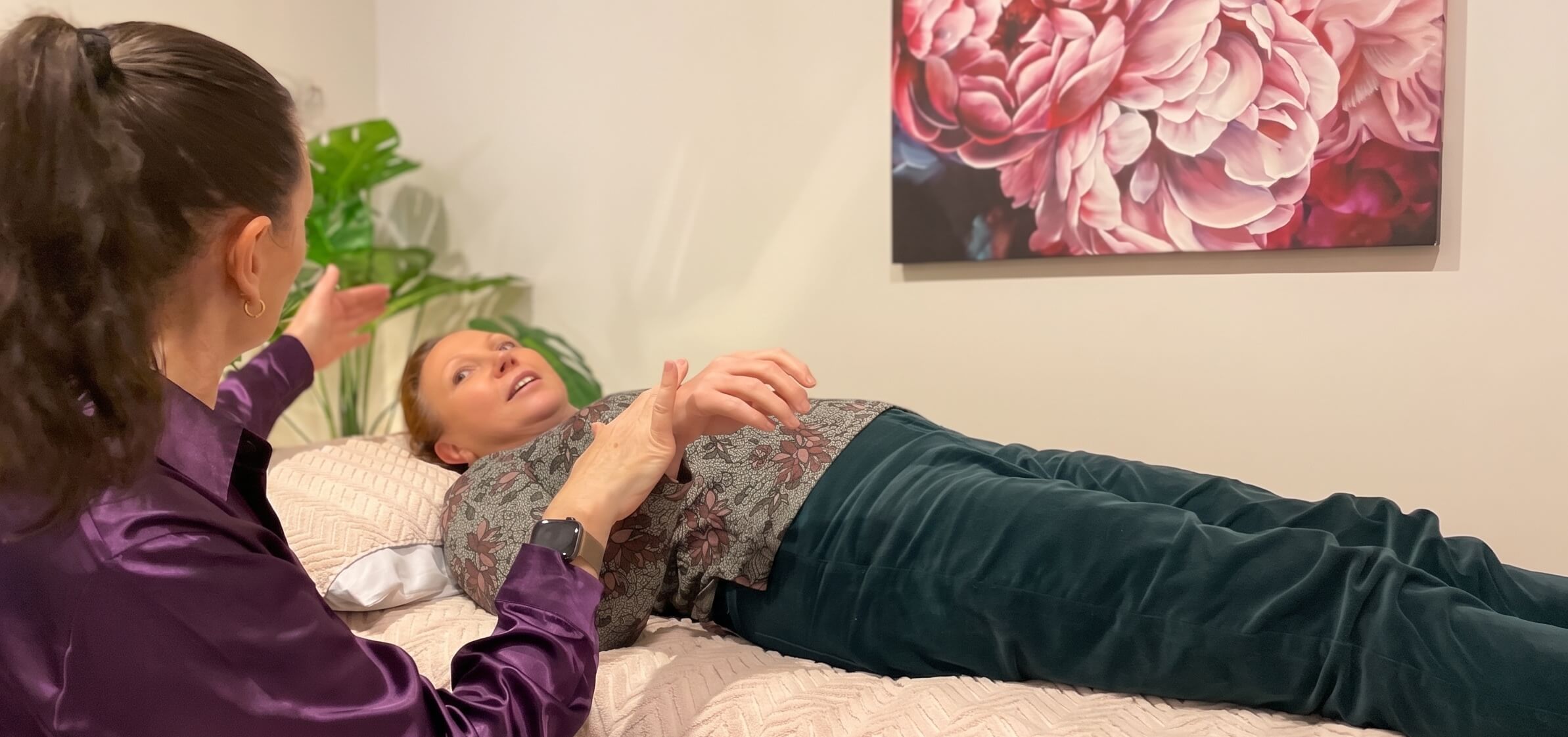
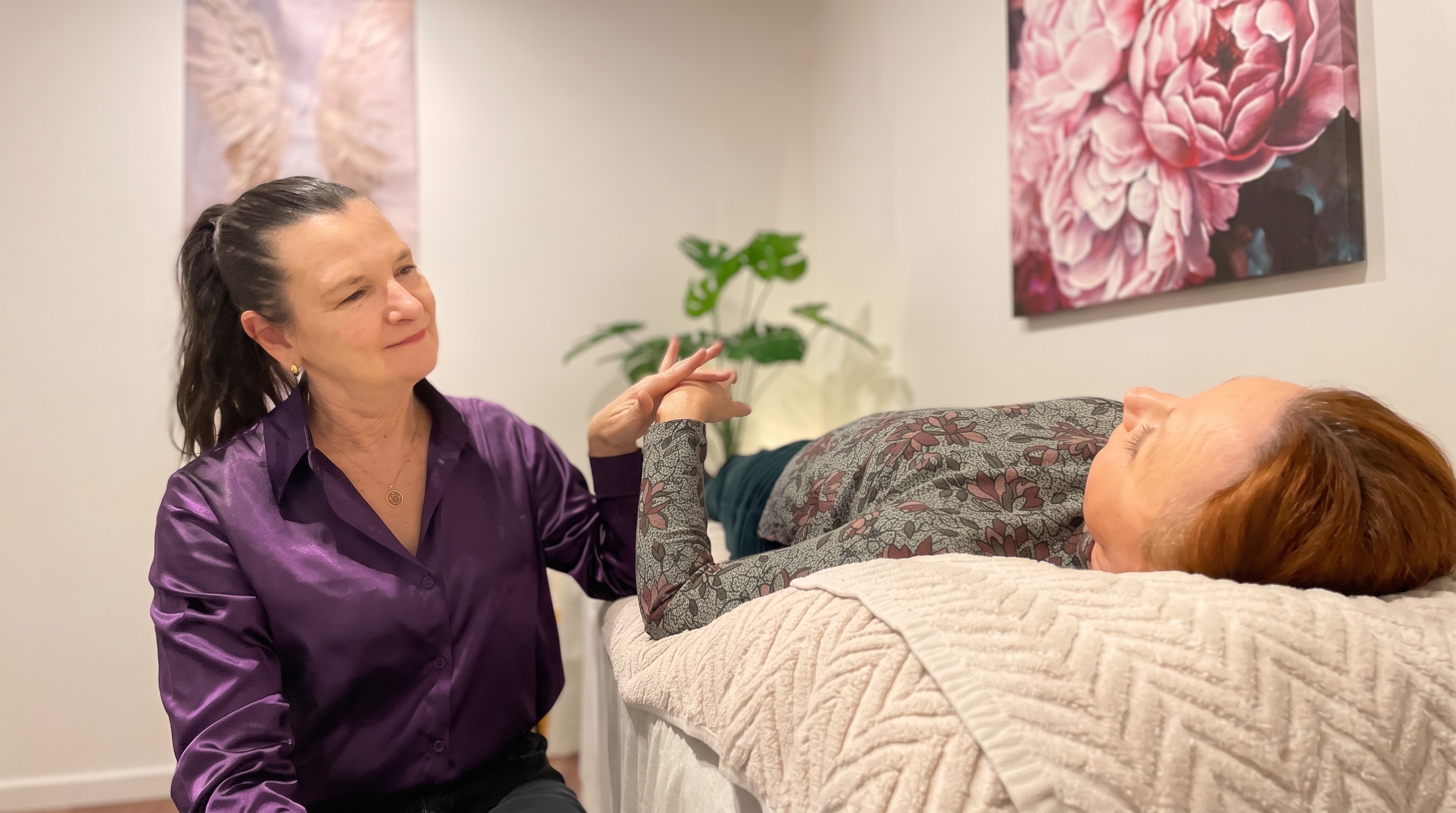
Deborah J Tyson has been practising kinesiology for over 30 years from her clinic in Neutral Bay, Sydney. She specialises in chronic stress and emotional overwhelm. She is also an award-winning international keynote speaker and the founder of Blisspot, a global wellness platform. In-person sessions in Sydney; online sessions worldwide.

Kinesiology
Ready to Address the Root — Not Just the Symptoms?
Book a free 15-minute call with Deborah to share what you’re experiencing and find out whether kinesiology is the right fit for you. No obligation. No jargon. Just a real conversation about what’s possible.
Keep Reading
Anxiety and performance pressure — when anxiety shows up as perfectionism and an inability to switch off.
Or read more about kinesiology in Sydney and how a session works.